That stack of newspapers, old magazines, paper you'd normally toss. It's not waste. It's art supplies you haven't used yet.
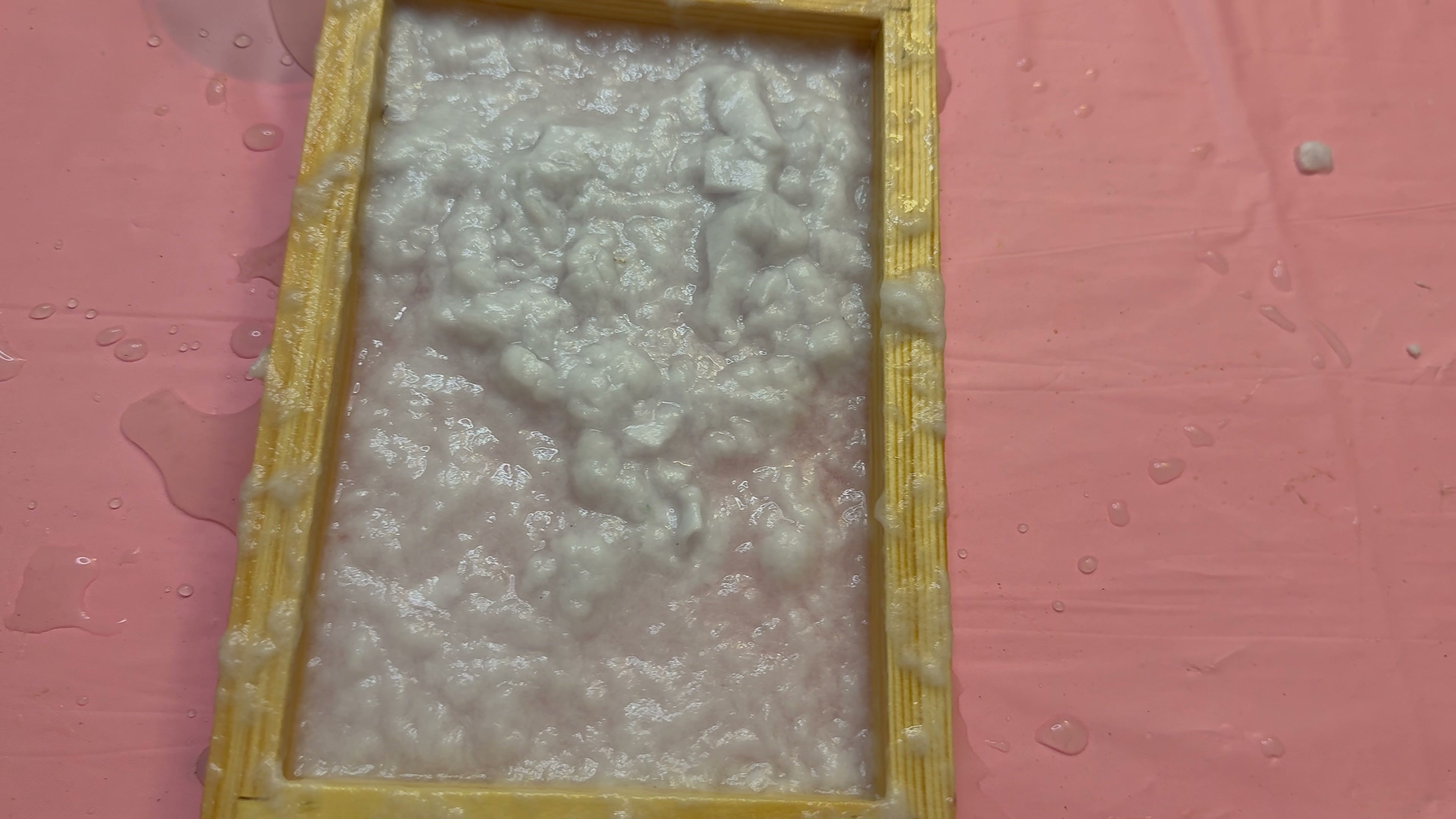
The process
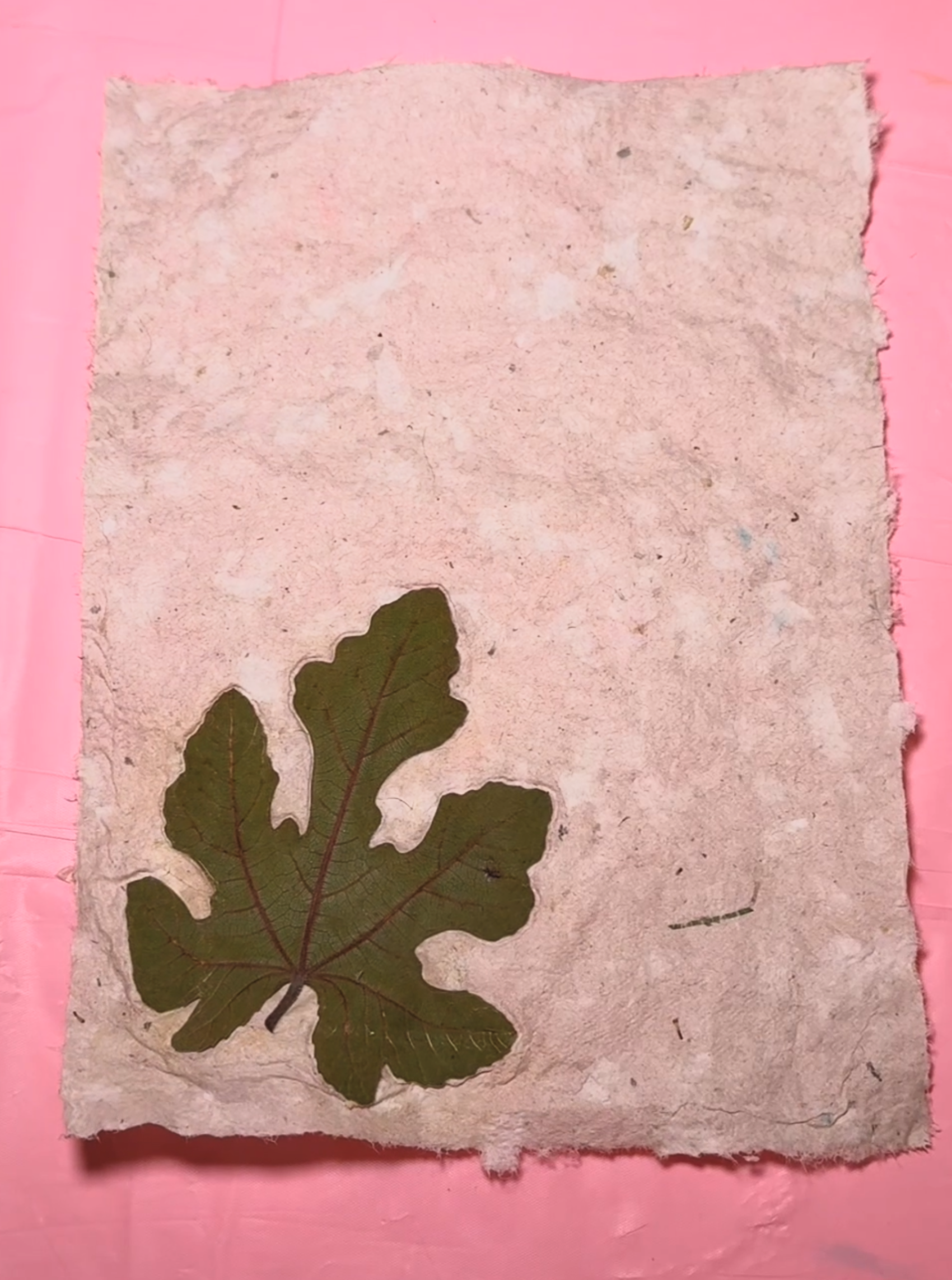
The result
Papermaking is the original recycling. Humans have been doing it for 2,000 years. All you need is a blender and 45 minutes.
Materials cost: under $30. A blender you already own, a plastic bin from the garage, and recycled paper you were throwing away. For botanicals? Wildflowers from outside (free). For dyes? Coffee, tea, turmeric, beets (already in your pantry). The hobby that asks you to stop buying things.
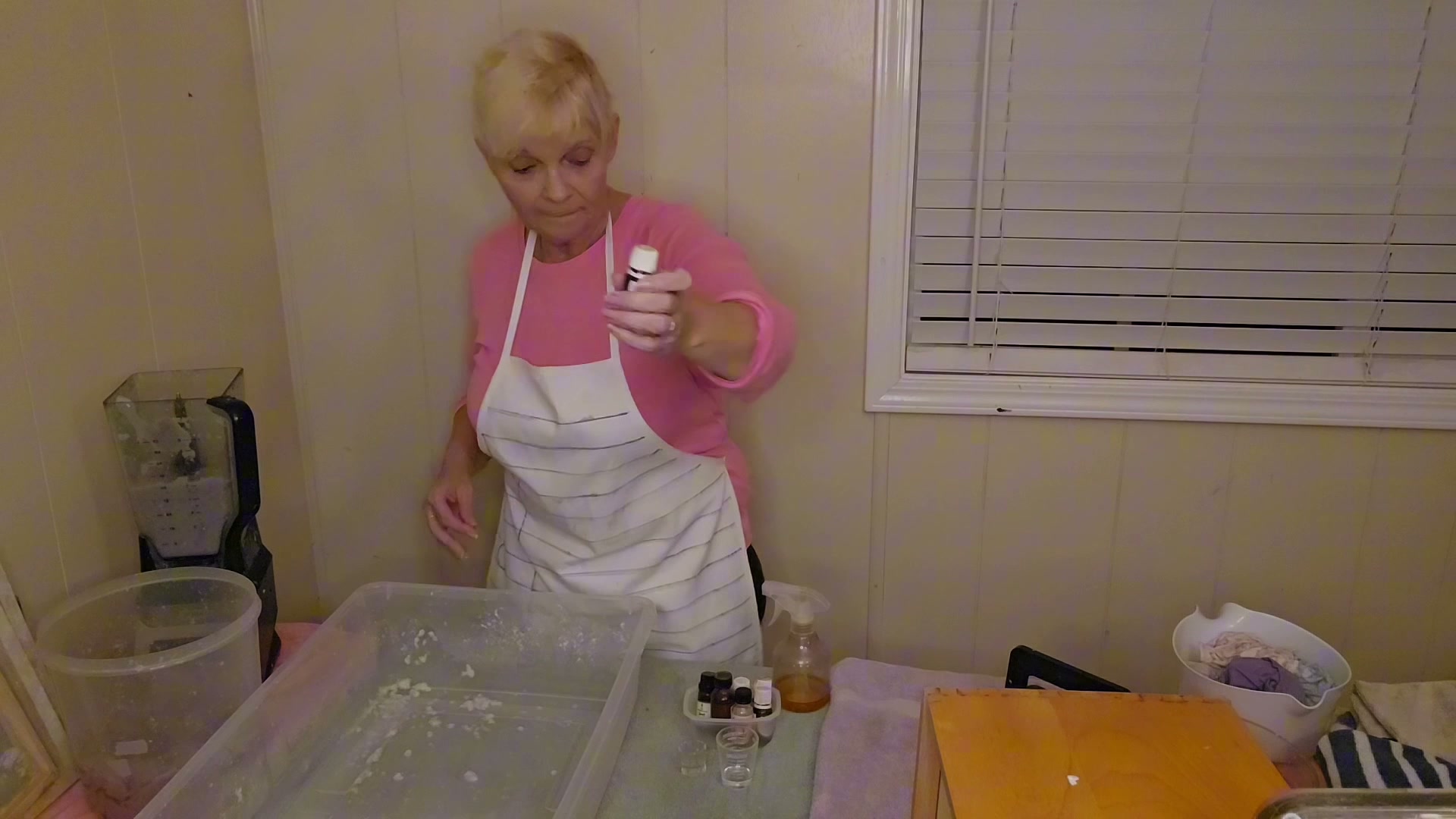
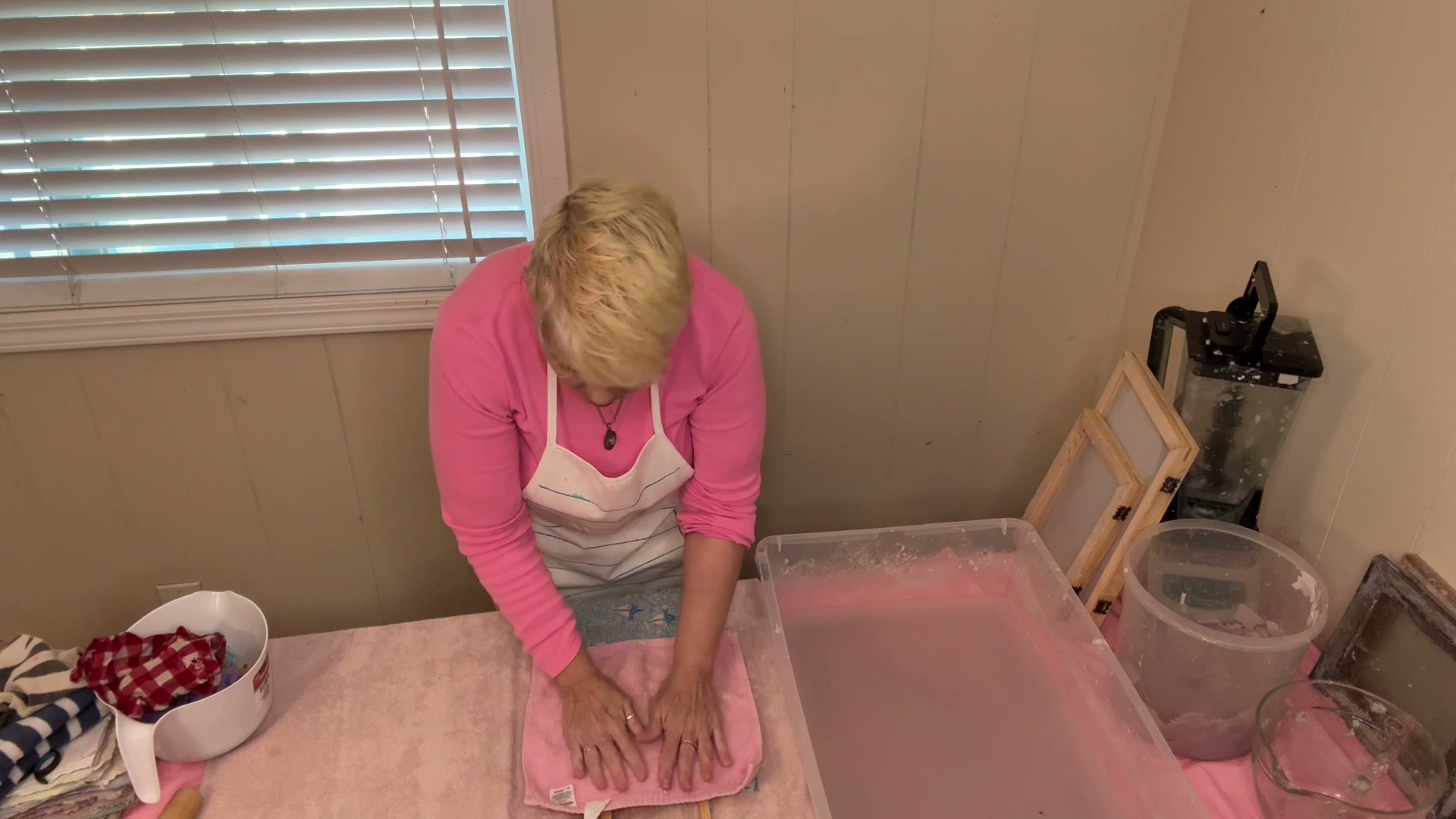
You tear up some paper, toss it in the blender with water, and hit blend. The blender strains. You're not sure if this is normal.
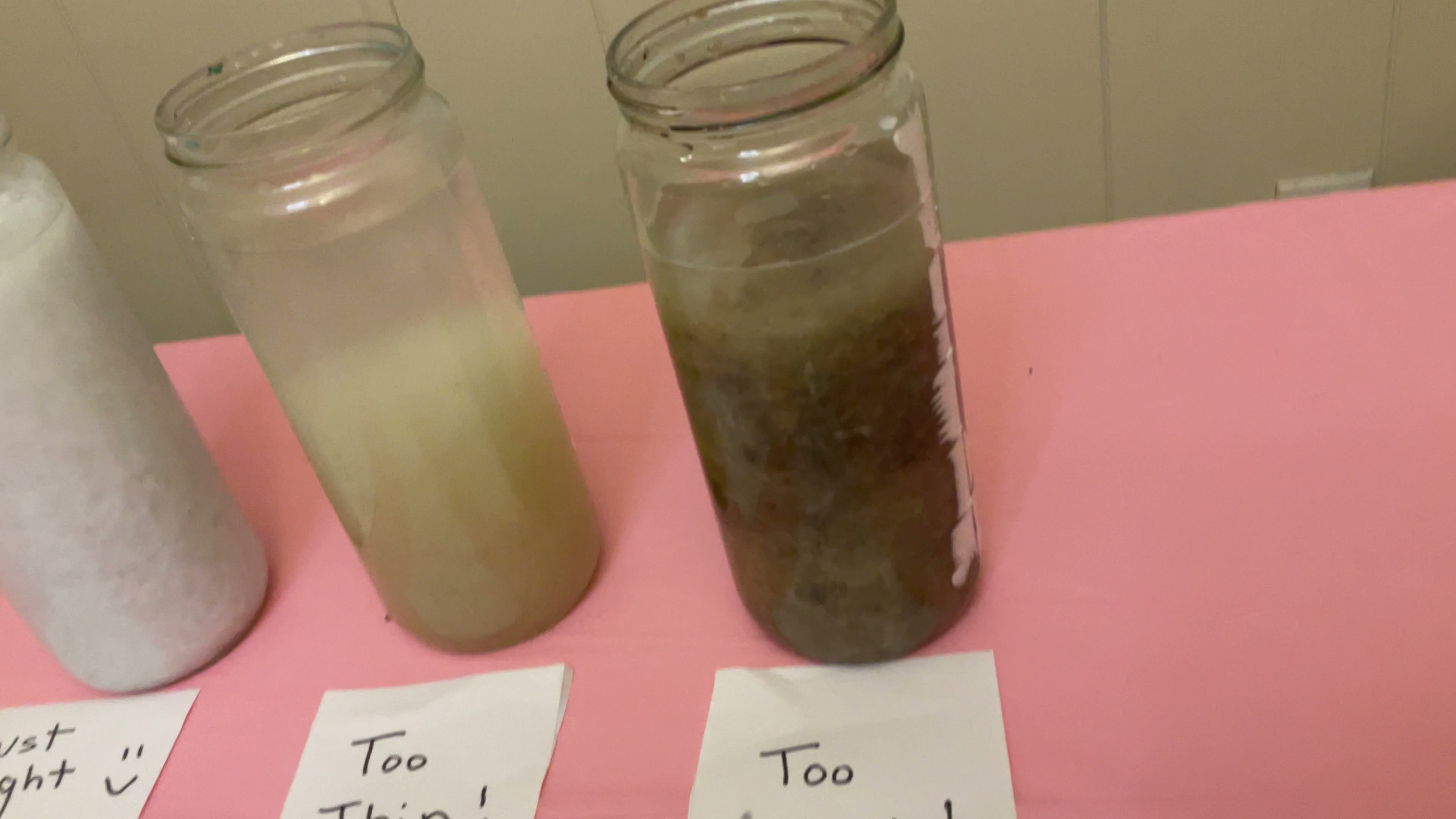
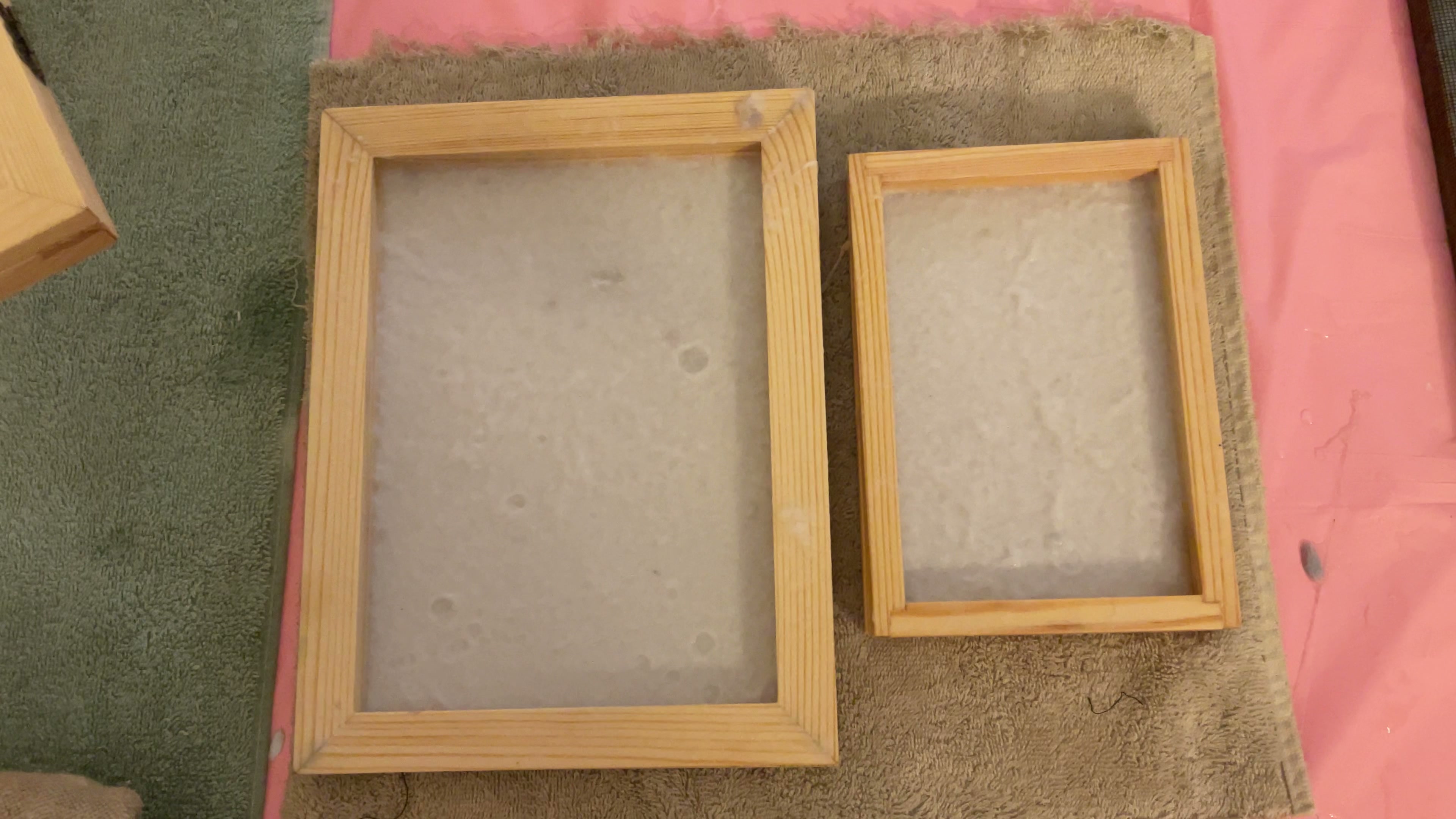
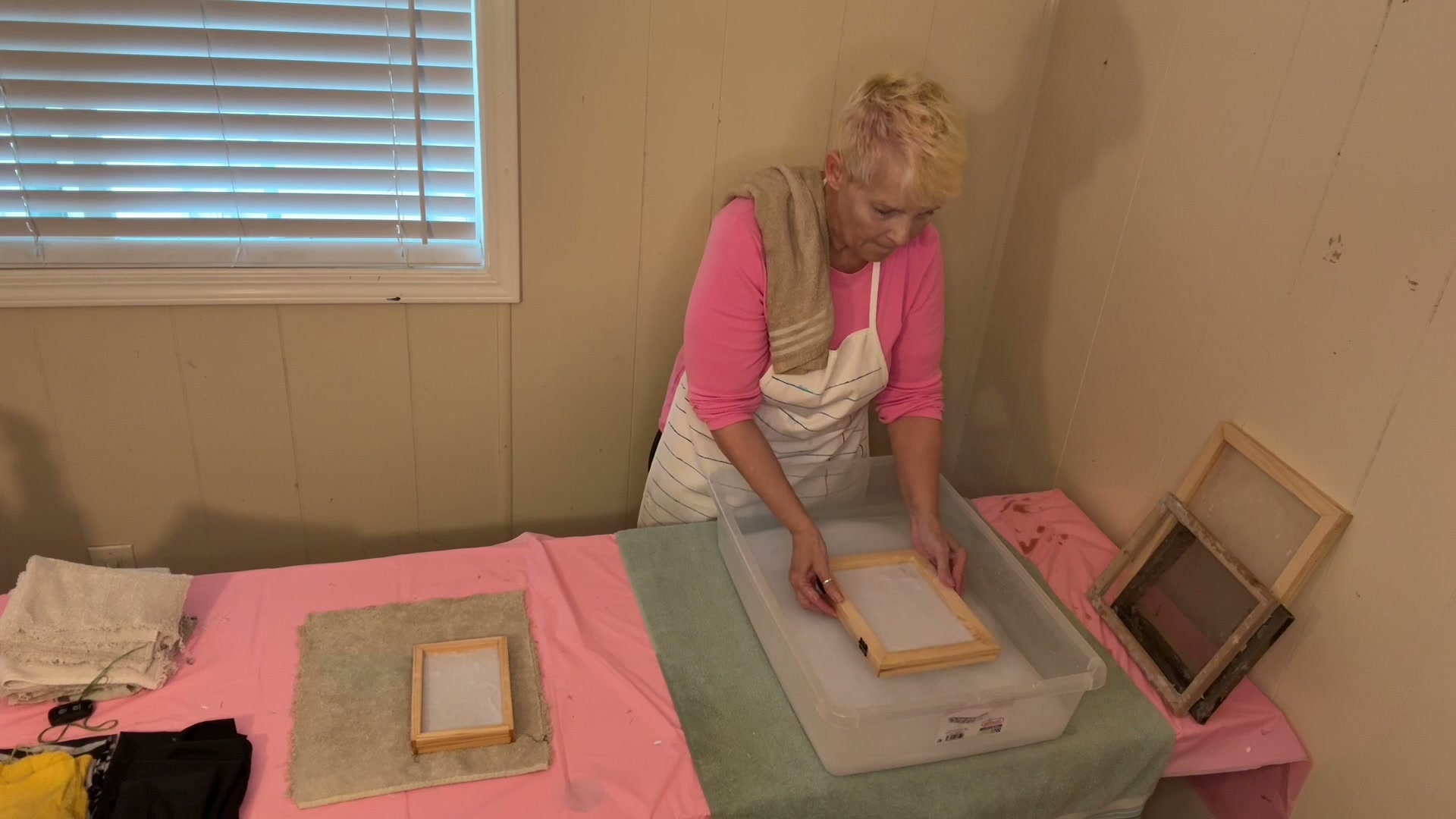
You pour the pulp into a bin, dip in your makeshift frame, and pull it out. The sheet is lumpy, uneven, too thick on one side and see-through on the other. You try to flip it onto a towel and it tears in half.
Now your kitchen looks like a paper mill exploded. There's water everywhere, bits of pulp in the sink, and you've wasted more materials figuring it out than you ever would have recycled normally.
The irony stings. You tried to do something cool with your waste, and ended up creating more of it.
Papermaking isn't hard. But without structure, the trial-and-error defeats the whole point.
Any standard blender. Paper fibers are softer than ice or frozen fruit.
A basic storage tub from the garage or dollar store. Nothing fancy.
Junk mail, newspapers, old magazines, printer scraps. The stuff you'd throw out.
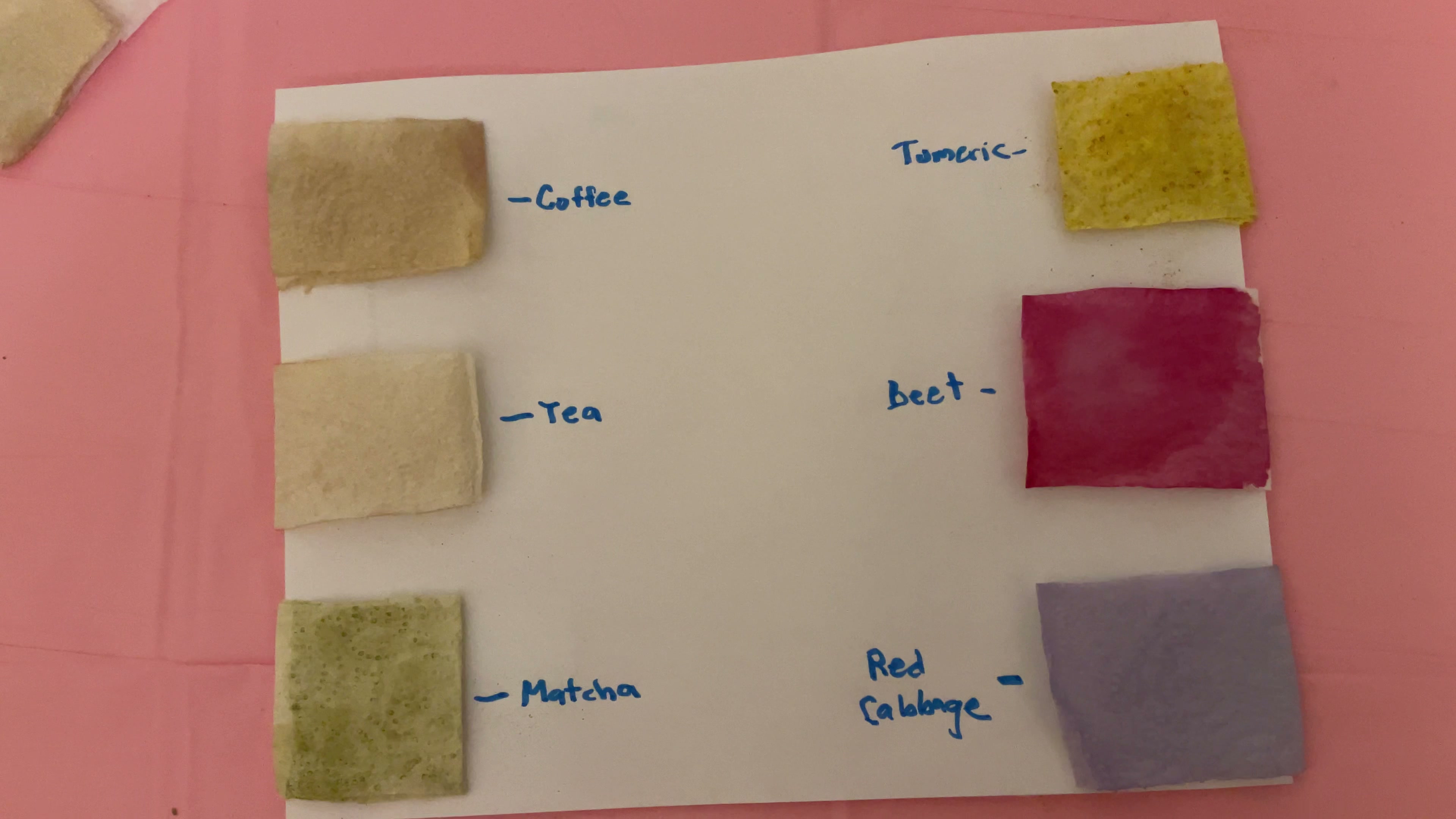
Coffee for vintage tones. Turmeric for gold. Beets for rose. Tea for warm amber.
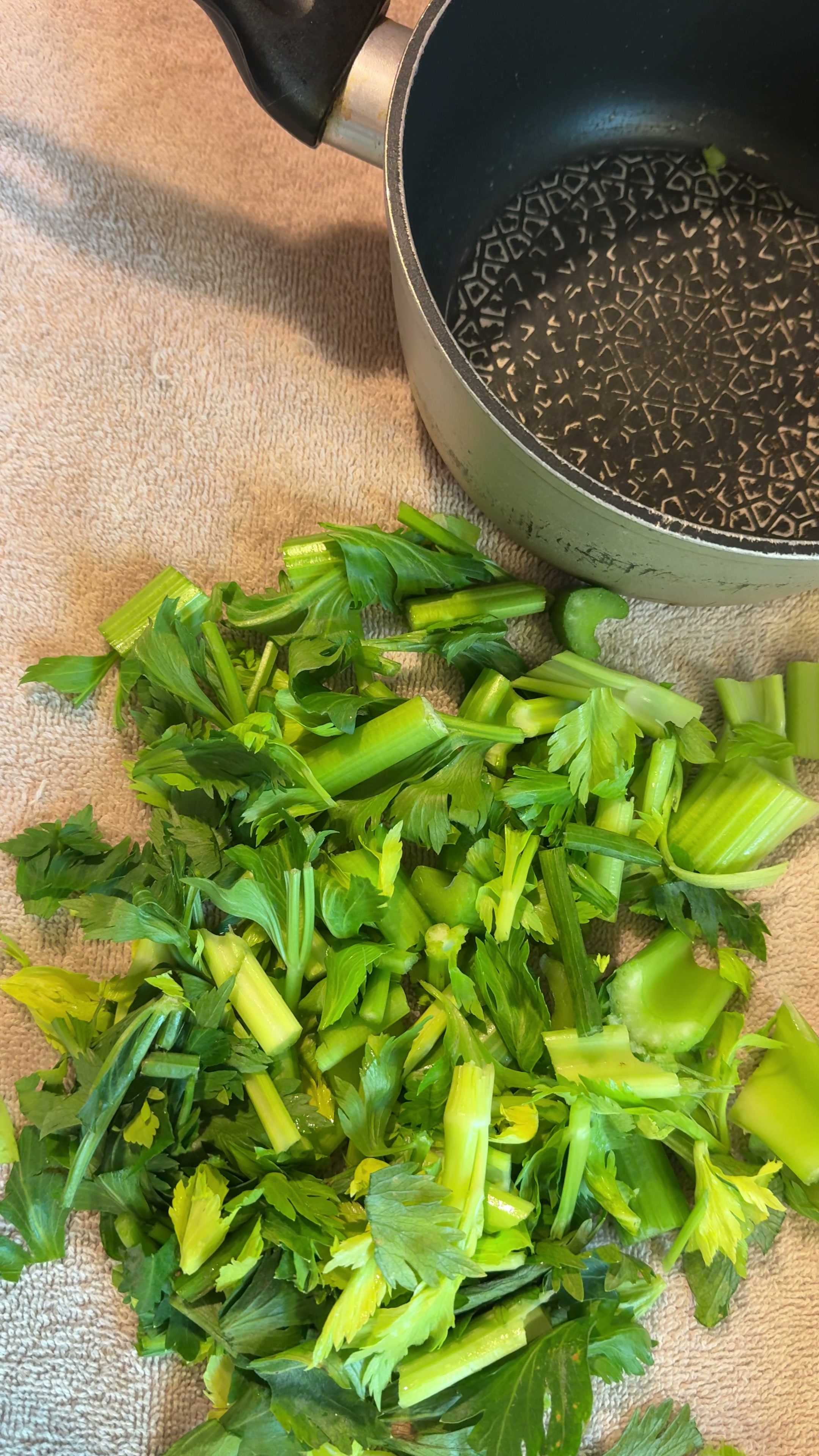
Grass clippings, herb stems, vegetable ends. Your garden is a supply closet.
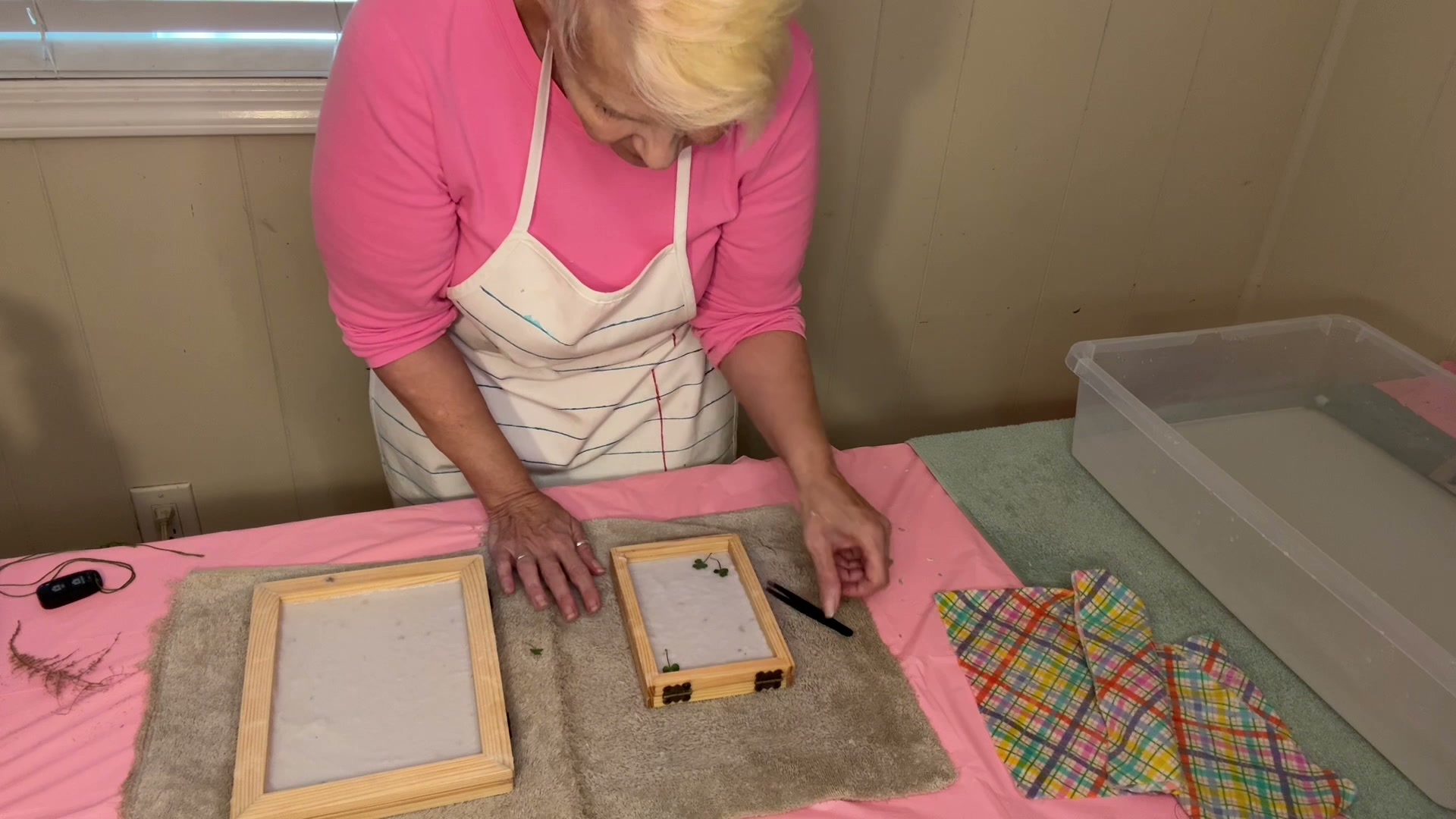
Wildflowers from a walk. Pressed leaves. Lavender sprigs. All free.
Total startup cost: under $30 Most of it is already in your house right now.
No greenwashing here. You're taking paper that already exists, breaking it back down to fiber, and reforming it by hand. No chemicals, no factory, no shipping. The dyes come from food scraps. The botanicals come from your yard. You're not buying "sustainable" products. You're literally reusing what's already in your house.
The difference between "homemade-bad" and "artisan" is technique. The course covers exactly how to get even sheets, consistent thickness, and professional-looking edges. Your friends won't think you made it in your kitchen. They'll think you bought it from an artisan shop.
You absolutely can. But recycling sends your paper to a facility that uses industrial chemicals and energy to process it. This skips all of that. You do it by hand, in your kitchen, in 45 minutes. And at the end, instead of another bin pickup, you have something beautiful you made yourself. Recycling is good. This is better.
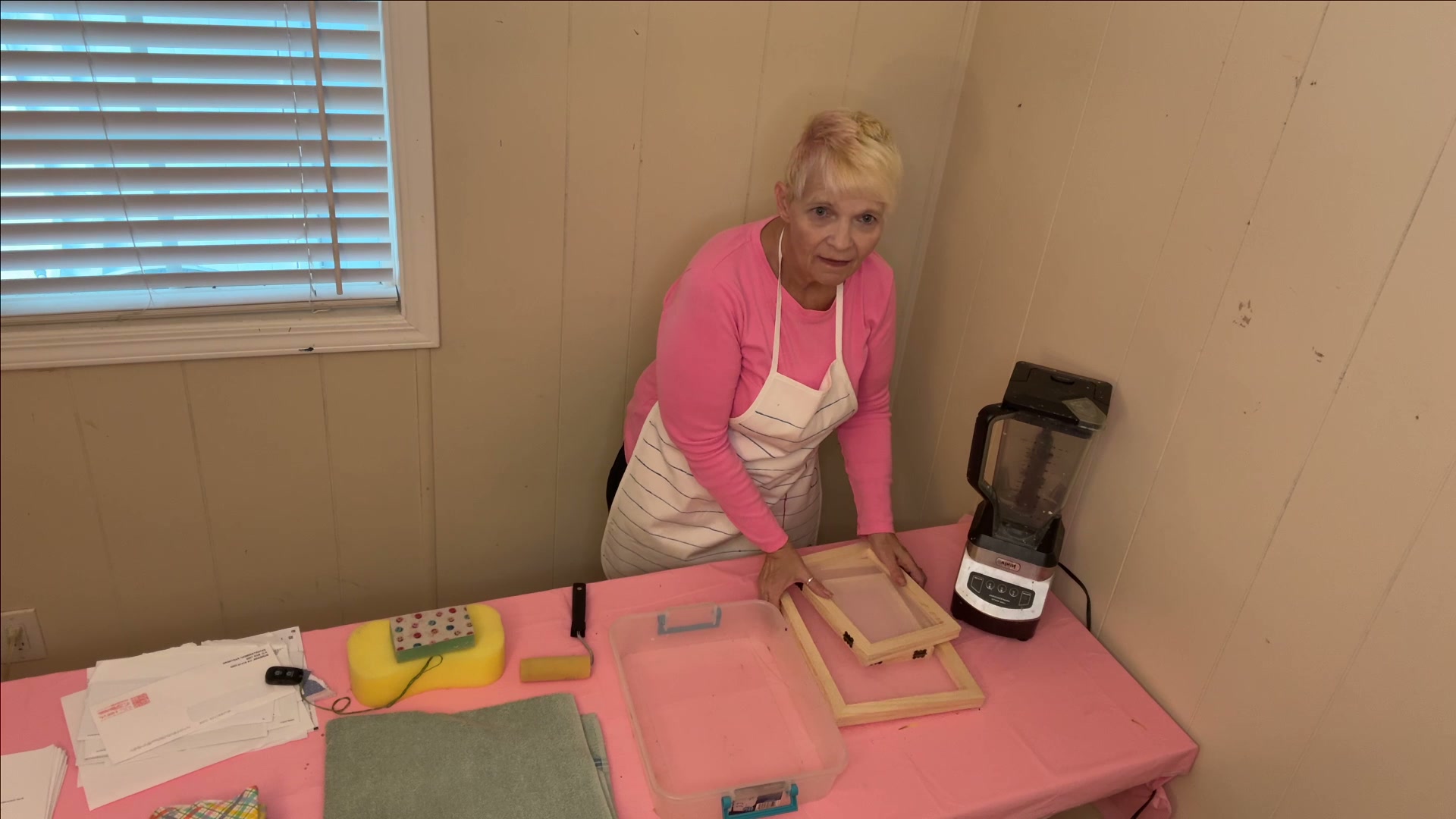
I'm a retired teacher from Los Angeles, CA, who traded lesson plans for pulp and petals. After decades in the classroom, I discovered handmade papermaking as a way to slow down and create something beautiful with my hands, pressing flowers, experimenting with natural dyes, and turning simple materials into one-of-a-kind sheets.
When I'm not elbow-deep in pulp, you can find me at a local club doing stand-up comedy, my lifelong dream. I bring the same energy to both: a love of making people feel something, whether it's through a handmade card or a perfectly timed punchline.
Angela
Introducing...
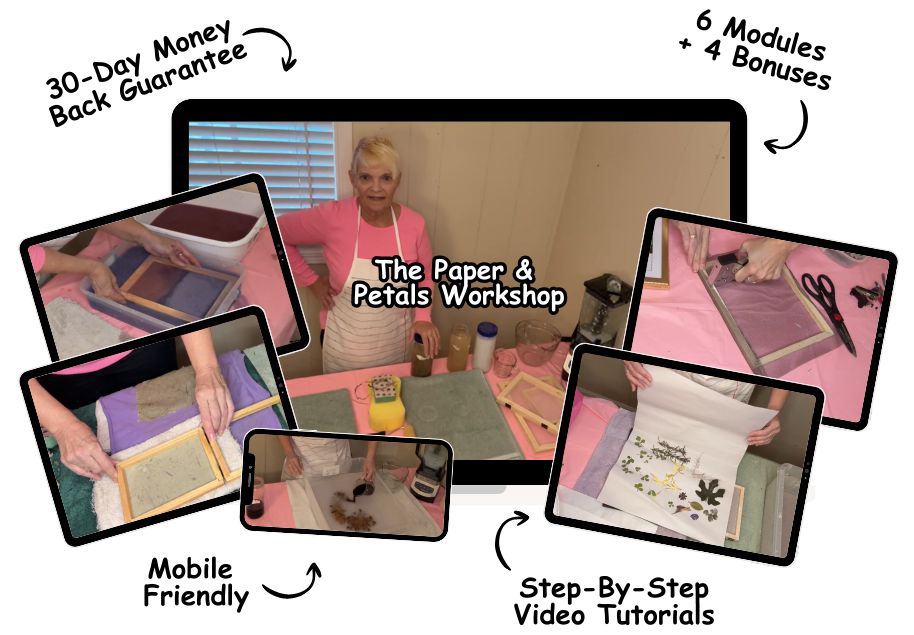
The beginner-friendly papermaking course that turns your recycling bin into raw material for art. No experience needed. No expensive equipment. Just a blender, some scraps, and a free afternoon.
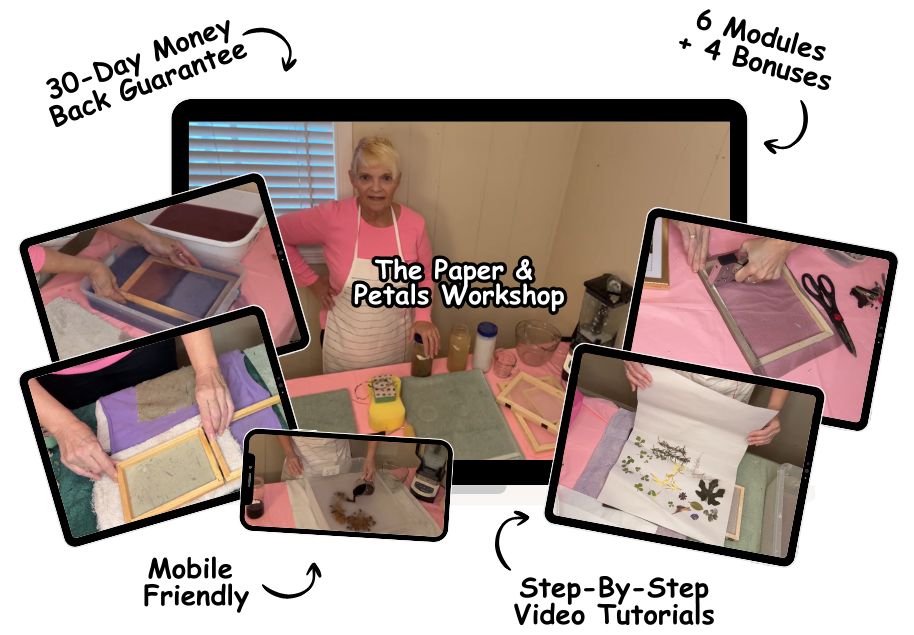
Six video modules. Practical, hands-on, zero fluff. Click any module to see what you'll learn.
Module 1
Your first real sheet in under an hour.
Module 2
Why your first batch was lumpy, and the permanent fix.
Module 3
Coffee, turmeric, beets. Rich color from your pantry.
By Module 3, you'll have paper that looks like it came from an artisan shop, using nothing but scraps and your kitchen pantry.
Module 4
Real flowers pressed into your paper. Stunning.
Module 5
Lavender, rosemary, citrus. Scent that lasts months.
Module 6
Where "homemade" becomes "artisan."
Make sheets from grass clippings, herb stems, and vegetable scraps.
Build a professional papermaking frame for under $15.
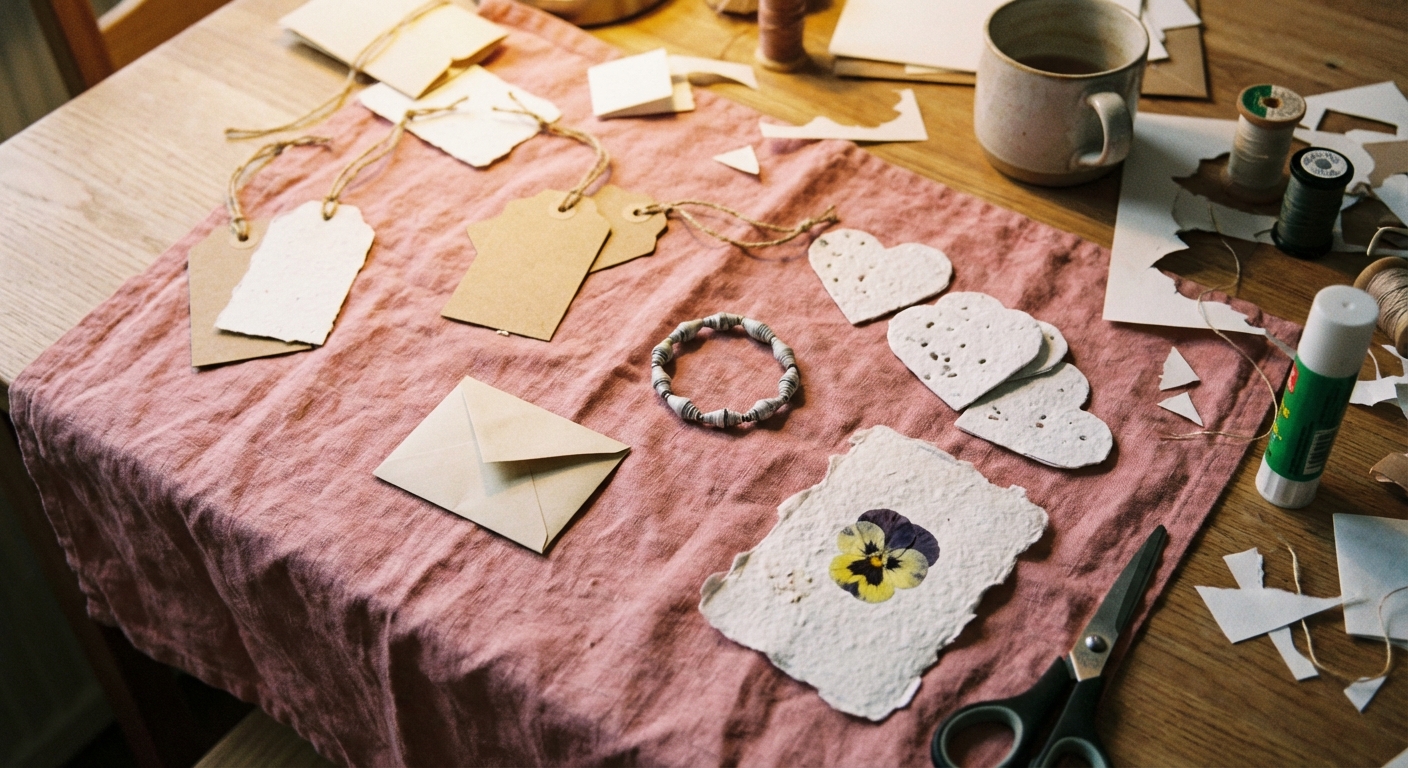
Turn your sheets into gifts, art, and keepsakes.
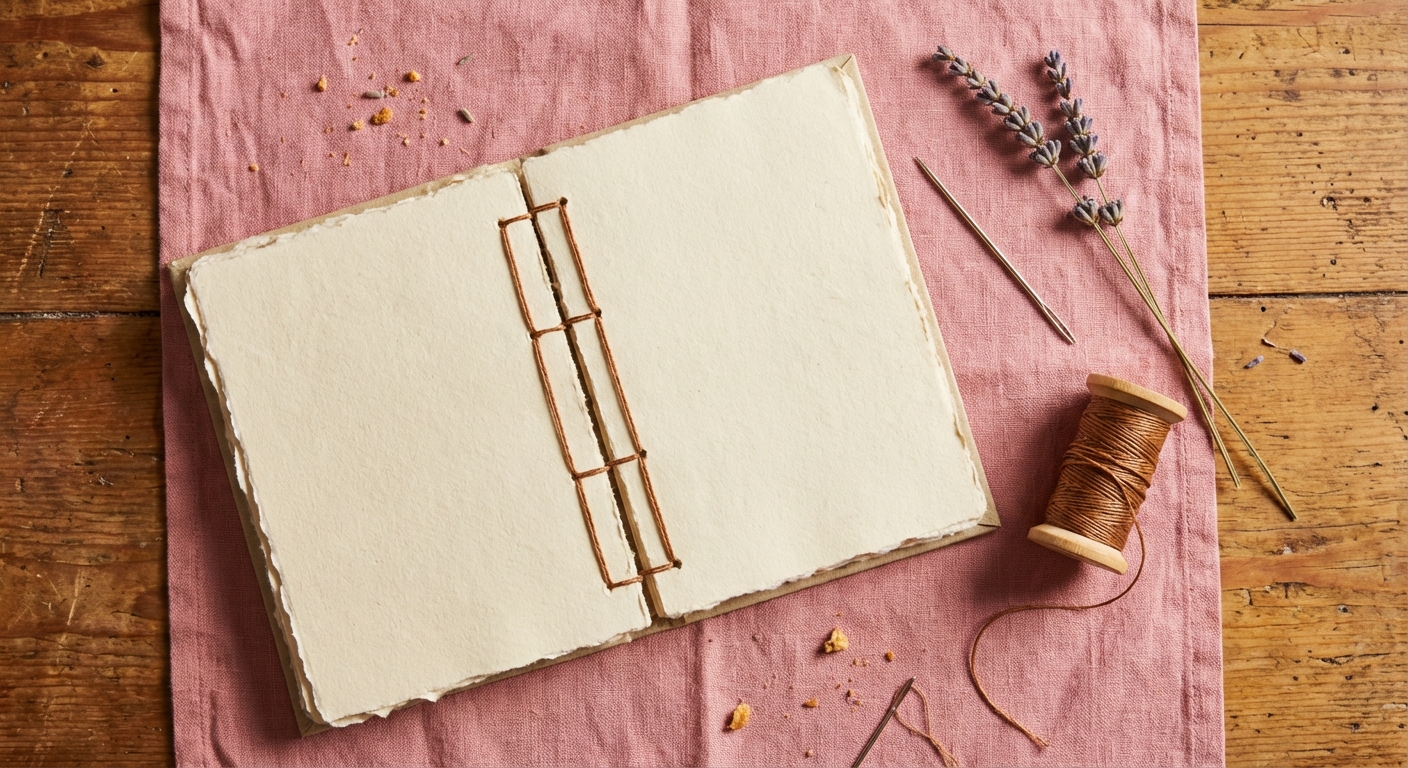
Three binding methods from beginner to advanced.
One payment. No subscriptions. No hidden costs.
Total package value: $203
Regular price: $97
One-time payment • Lifetime access
This $47 price won't last forever. Once I have more student success stories and testimonials, the price will increase, first to $97, then eventually to $157 or more.
I believe The Paper & Petals Workshop is the most beginner-friendly, accessible papermaking course you'll find anywhere. If you don't feel that creative spark, I'd feel like I let you down.
If you don't feel the joy and satisfaction I promised, just send me a quick note within 30 days and I'll refund you 100%. No questions, no hassles, guaranteed.
Totally safe. Any blender works, even a $15 thrift store one. Paper fibers are softer than ice or frozen fruit, so no damage. It won't clog your plumbing either. The course covers how to dispose of excess pulp properly (takes about two minutes).
A mould and deckle ($20-25, or build your own with the bonus guide for under $15), a plastic bin ($10), a blender you already own, and recycled paper scraps (free from your house). Under $30 total. The course walks you through exactly what's worth buying and what to skip.
Not with the right setup. Angela teaches a "tidy papermaking station" method where cleanup takes under 10 minutes. Your counters stay dry and your workspace stays organized. The trick is bin placement and size, which she covers in Module 1.
Yes. The process itself creates beauty. Handmade paper looks stunning even without botanicals or dyes. The course teaches technique, not artistic talent. You follow steps. The results speak for themselves.
Completely self-paced. Under 3 hours of video total. You could binge it in a Saturday morning or spread it across weeks. You'll make your first sheet in Module 1 by following along in real-time.
Plain handmade paper is beautiful on its own. But if you want botanicals, Angela shows you how to pick and press wildflowers from your neighborhood (free), or you can buy dried flowers at any craft store for under $10. The organic materials bonus also teaches you to make paper from grass and vegetable scraps, no flowers required.
None. Zero. This is designed for complete beginners. Angela was a schoolteacher with no papermaking background when she started. Every step is demonstrated on camera.
Lifetime. Forever. You pay once and revisit the lessons anytime, whether that's next month or five years from now. No expiration, no subscription fees, no renewals.
You have 30 days to try the entire workshop risk-free. If you're not happy for any reason, email Angela and she'll refund you 100%. No questions asked.
100% secure. Encrypted payment processing (same standard as major retailers). Your info is protected, and you'll get an instant receipt and course access.
All major credit cards and PayPal. Secure, instant, no extra fees.
That junk mail, those old newspapers, the paper from packages and mailings. Right now it goes in the blue bin and you never think about it again.
After this course, you'll see handmade paper. Letter sheets. Gift tags. Gift tags. Art. Something made by your hands, from materials that cost you nothing, that looks like it came from a boutique.
Most "eco-friendly" hobbies ask you to buy things. This one asks you to stop throwing things away.
Set aside an afternoon. Grab that stack of paper by the door. And turn it into something you're proud of.
If within 30 days you don't feel the creative satisfaction I promised, email Angela for a full refund. No questions asked.
With love, Angela
Start Creating for $47